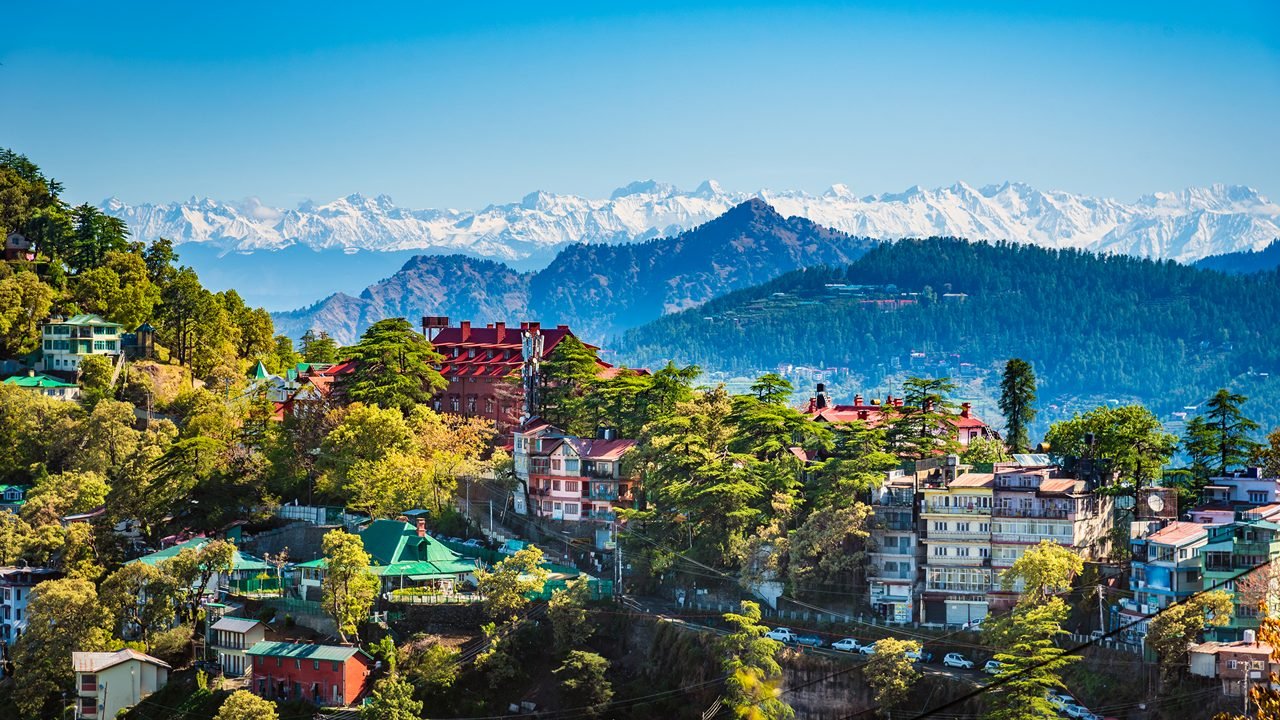
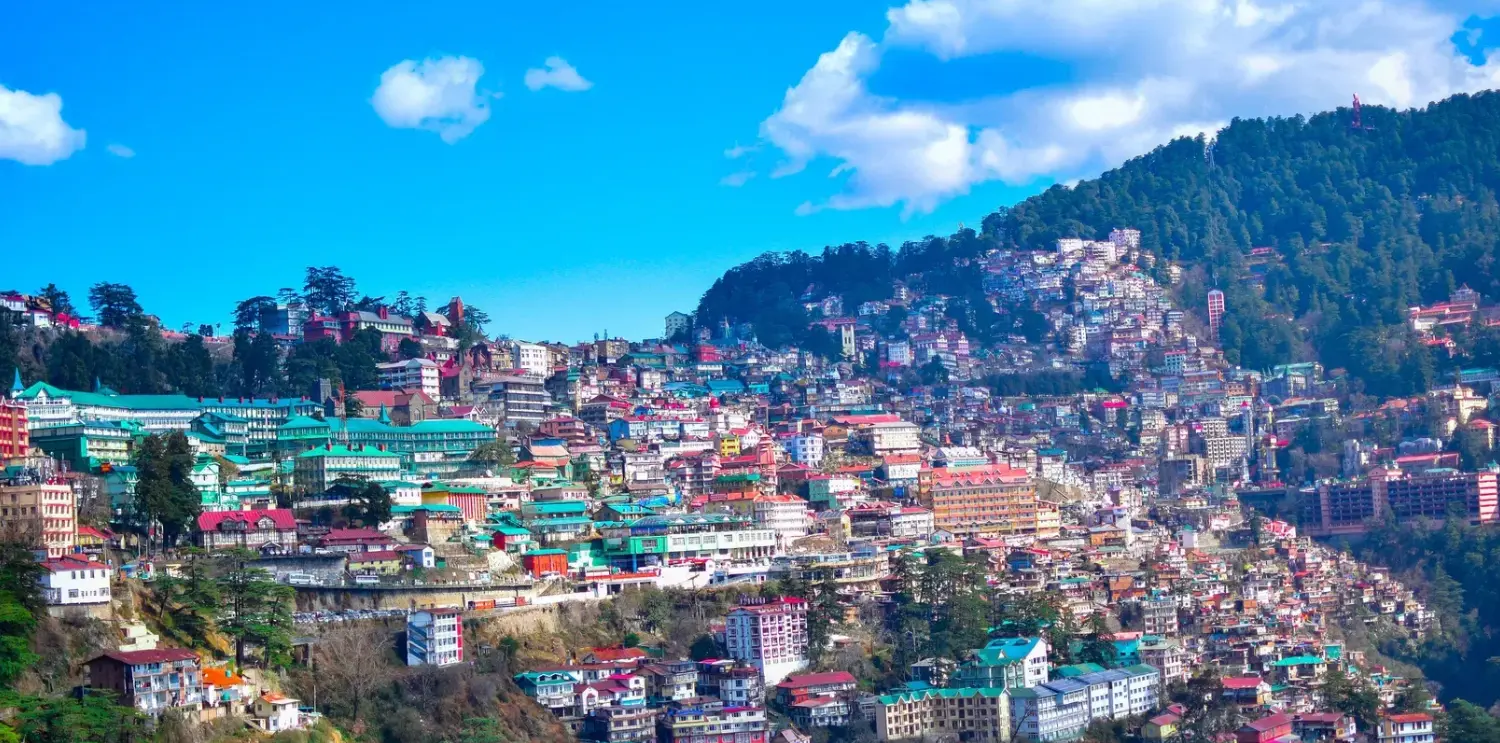
There's a reason Shimla has stayed India's go-to hill station for over a century, and it's not just the colonial architecture or the toy train photos everyone posts. It's that Shimla gives you the mountains without making you work too hard for them. Our Shimla tour packages are built around Mall Road, The Ridge, Jakhu Temple, and Kufri, all close enough together that the sightseeing rarely eats into your day.
Looking for affordable Shimla tour packages that still cover the essentials? Or something built more around a slow honeymoon pace? Shimla handles both without much adjustment, since most of what makes the town worth visiting sits within a short walk or a quick cab ride of Mall Road itself.
March brings a gradual change from winter cold to milder daytime weather, with average temperatures around 14–15°C during the day and about 6°C at night. By April, daytime temperatures generally rise closer to 19–20°C, making the weather comfortable for sightseeing, walking around Mall Road, visiting temples, and exploring Shimla's surrounding areas. Occasional rain can still occur, so carrying a light jacket and an umbrella is useful.
May and June are among the most comfortable months for escaping the heat of the plains. Shimla's average daytime temperature reaches around 23°C in May and 24°C in June, while nights remain comparatively cool. These months are well suited to outdoor sightseeing, nature walks, Kufri excursions, and exploring The Ridge and Mall Road. Rainfall begins to increase towards June, so travellers should keep some flexibility in their plans.
July and August are the wettest part of the year in Shimla. IMD climate normals record around 333 mm of rainfall in July and 297 mm in August, with September becoming noticeably drier as the monsoon season moves away. Temperatures remain moderate, but frequent rain can affect road journeys and outdoor sightseeing. If you travel during these months, allow extra time for hill-road travel and keep rain protection handy.
October brings cooler, generally drier weather after the monsoon, making it a good period for sightseeing and exploring Shimla at a comfortable pace. Average daytime temperatures are around 19°C in October and 15°C in November, while nights become progressively colder. November is particularly suitable for travellers who prefer a quieter hill-station experience before the colder winter months arrive.
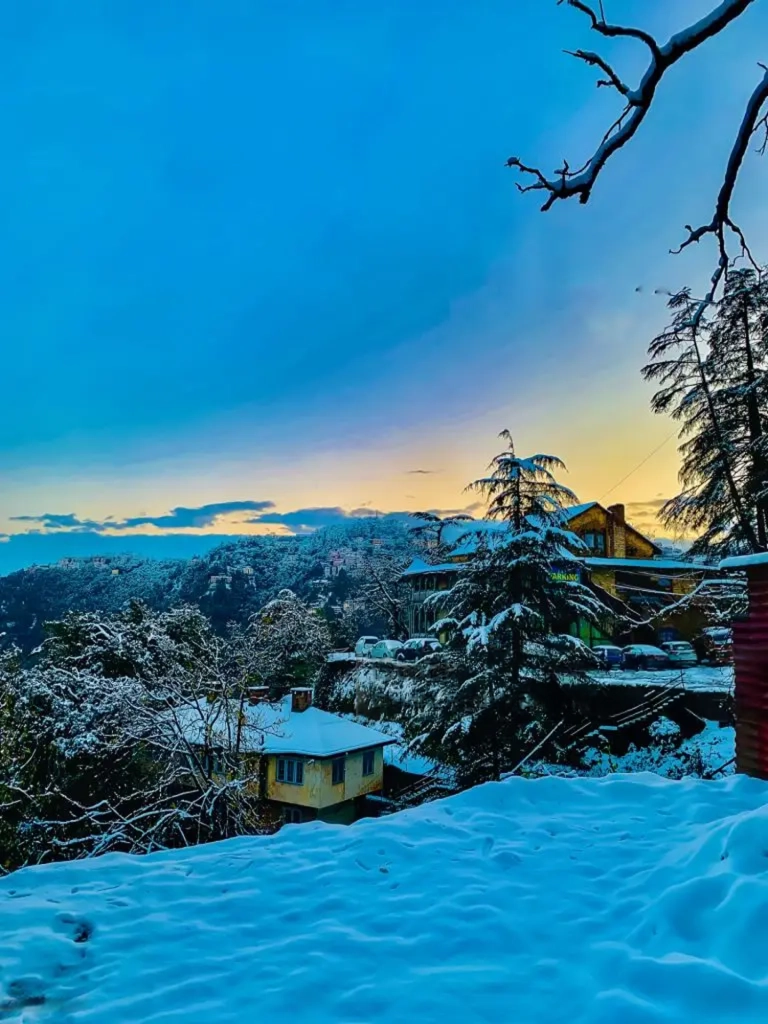
December through February is the coldest period in Shimla, with temperatures often falling close to freezing at night. IMD records average daytime temperatures of about 12°C in December, 9°C in January, and 10°C in February. Snowfall is a major attraction during this season, although its timing and amount can vary from year to year. Visitors planning a winter trip should carry warm layers, especially for early mornings and nights.
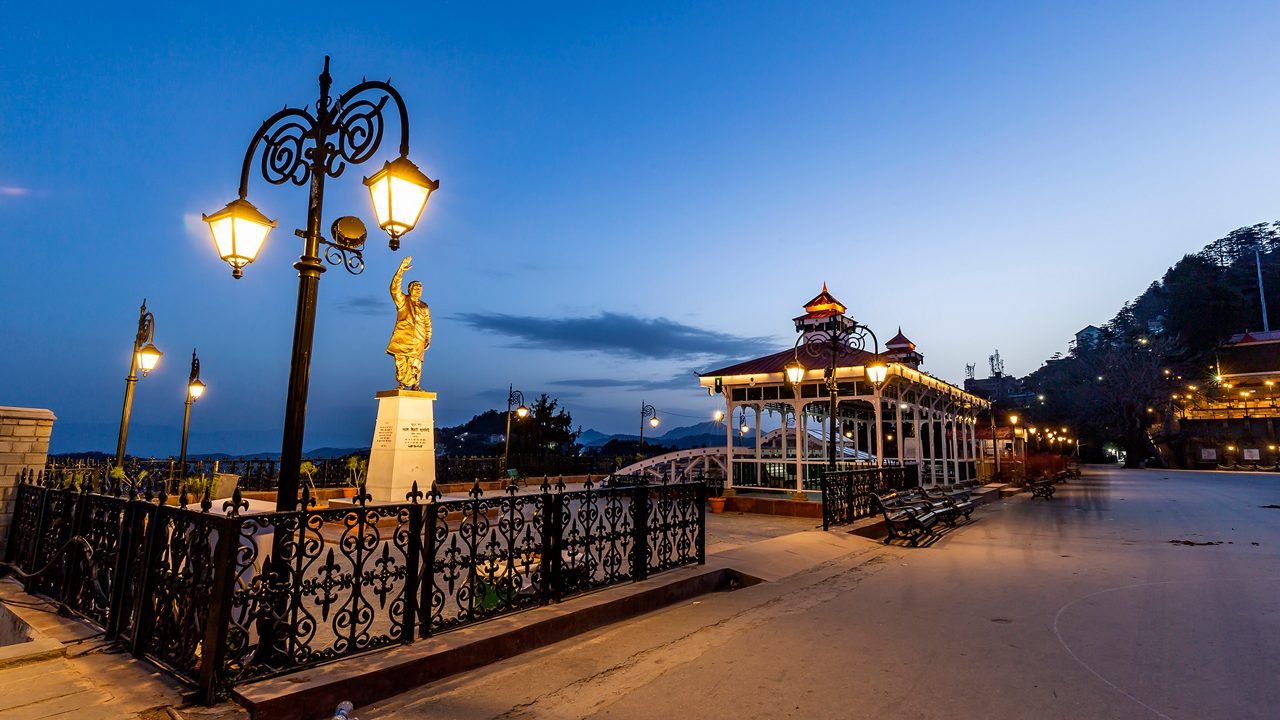
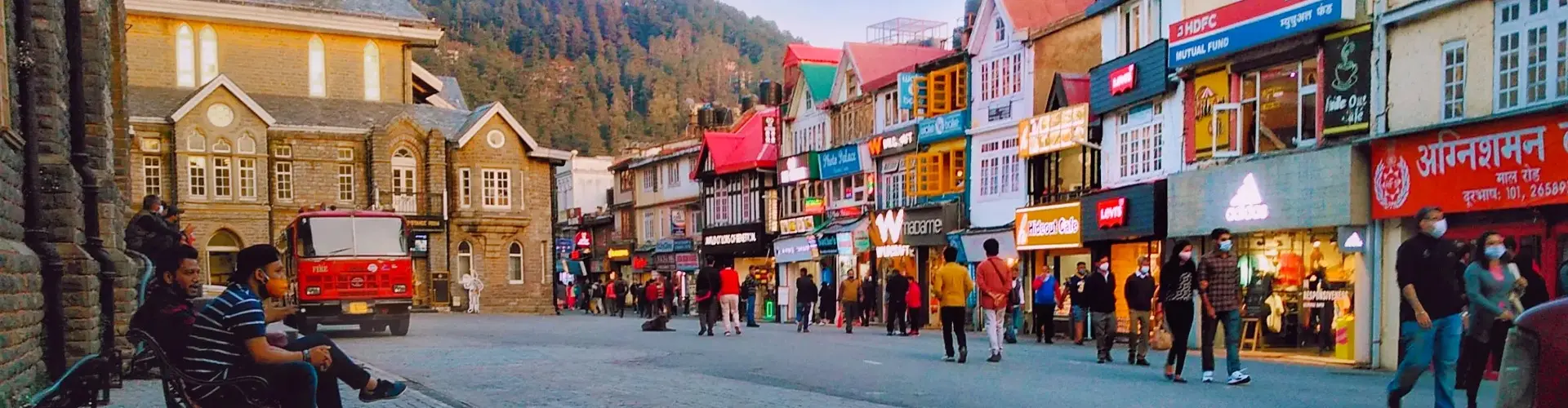
Begin your Shimla experience with a relaxed walk along Mall Road and The Ridge, two of the town's best-known pedestrian areas. Mall Road is lined with shops, cafés, restaurants, and colonial-era buildings, while The Ridge provides an open space with views across the surrounding hills. Since regular vehicles are restricted on Mall Road, it is well suited for an unhurried evening walk and local shopping.
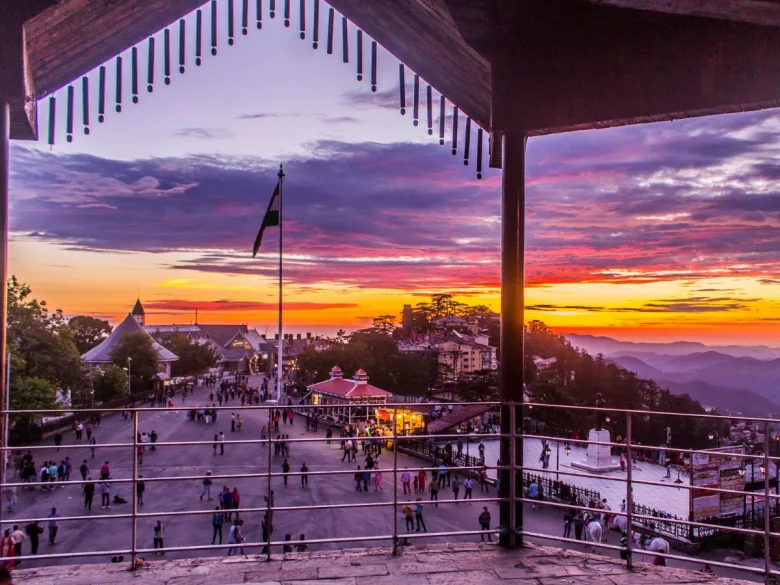
Set aside some time in the evening to experience The Ridge when the light begins to change over Shimla's surrounding hills. Its open setting makes it a popular place for visitors to pause, take photographs, and enjoy the mountain atmosphere. The Ridge also sits close to landmarks such as Christ Church and Mall Road, making it convenient to include as part of an evening sightseeing walk through central Shimla.
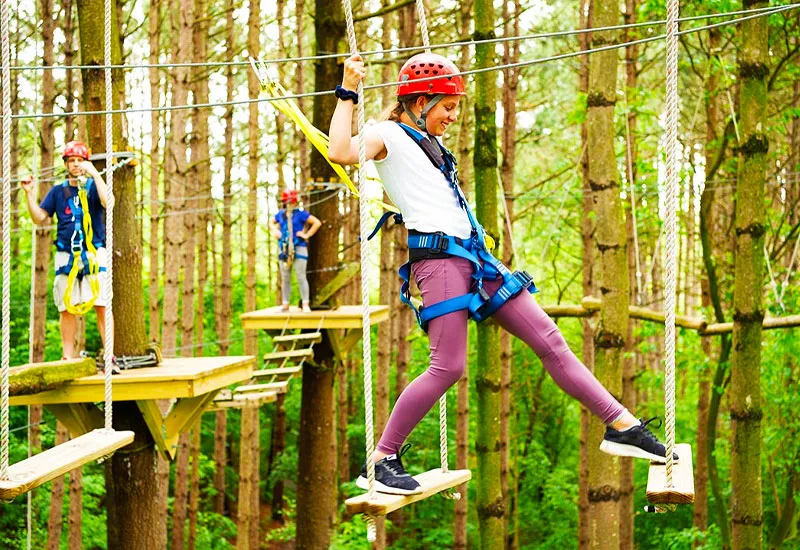
Include Kufri in your Shimla sightseeing plan for a change of scenery beyond the main town. Located in the higher hills around Shimla, Kufri is known for its mountain landscapes, forests, and seasonal outdoor activities. The area can be combined with other nearby attractions to make a half-day excursion from Shimla, particularly for travellers looking to spend some time amid open Himalayan surroundings rather than staying only around the central city.
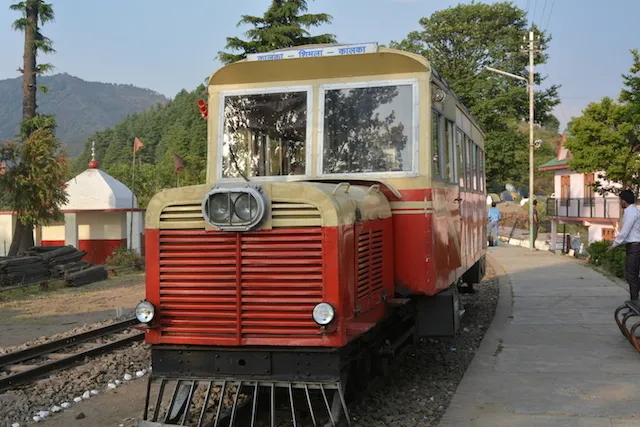
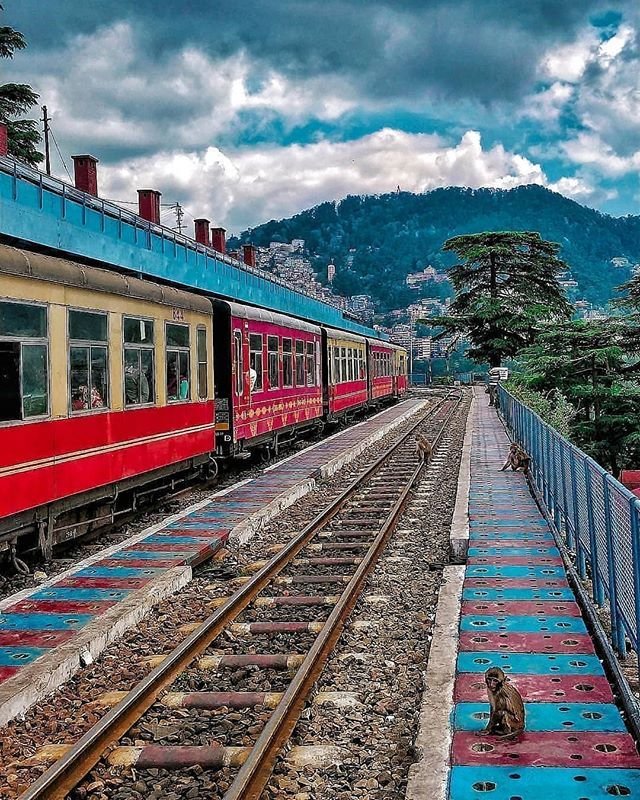
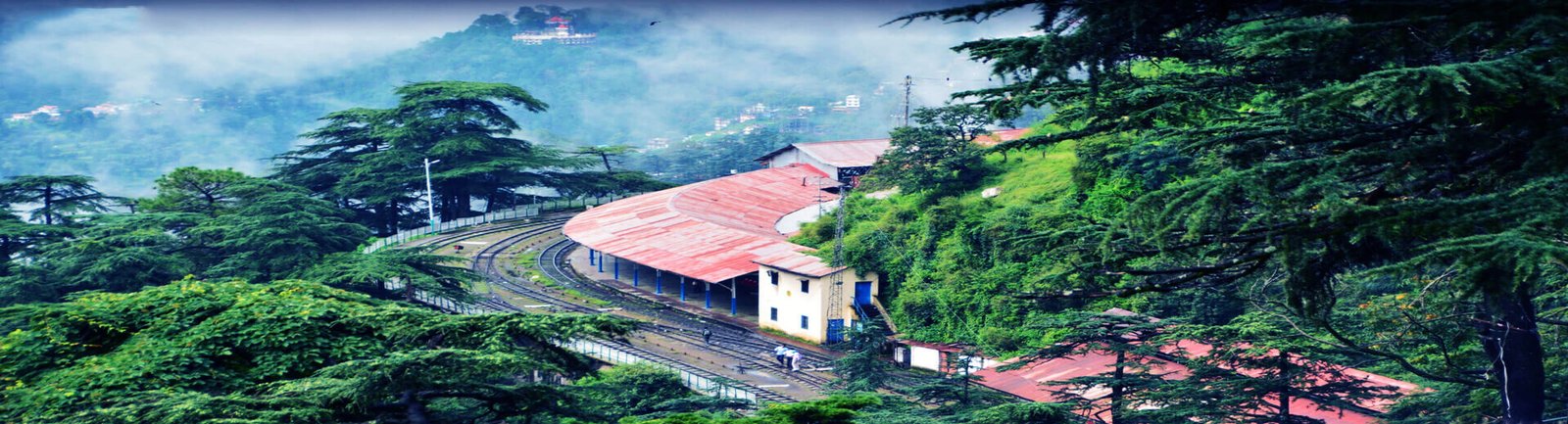
Add a heritage railway experience to your Shimla itinerary with the Kalka-Shimla Railway. The 96.6-kilometre narrow-gauge railway runs through the Himalayan foothills and is part of the UNESCO-listed Mountain Railways of India. The route is known for its mountain terrain, bridges, tunnels, forests, and changing landscapes, making the journey an attraction in itself rather than simply a way of reaching Shimla. The railway remains operational and offers travellers a distinctive way to experience the hills.
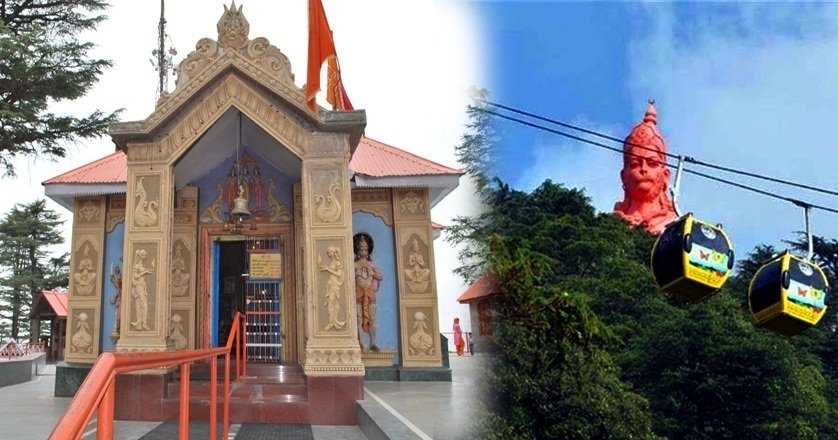
Visit Jakhu Temple on Jakhu Hill, the highest point in Shimla city. The hill stands at approximately 2,438 metres and the temple is dedicated to Lord Hanuman. A walk from The Ridge takes visitors uphill through the forested surroundings, while a ropeway also provides access from near The Ridge. The site is particularly known for its 108-foot Hanuman statue, which has become one of Shimla's most recognisable landmarks.
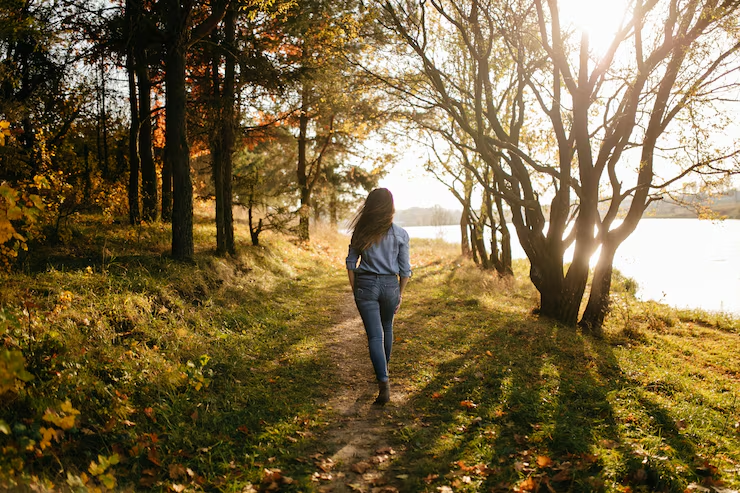
Shimla offers several opportunities to explore its quieter, forested surroundings on foot. Summer Hill is one such location, known for its pine-covered landscape and peaceful walking environment, while Annandale provides another scenic area surrounded by deodar forests. Nature walks are a simple way to experience Shimla beyond its busy markets and viewpoints, particularly during the cooler parts of the day.
Shimla's appeal isn't complicated. A morning on Mall Road, an uphill walk to Jakhu, an afternoon at Kufri, that's genuinely enough to feel like the trip was worth it. Our packages are planned around that same simple pace, with realistic travel time between stops so nobody's rushing between viewpoints just to tick them off a list.
Planning a Shimla holiday becomes easier when your itinerary is organised around the places you actually want to experience. Easy Your Trip offers thoughtfully planned Shimla tour packages covering popular attractions, comfortable stays, sightseeing, and convenient travel arrangements. From family holidays to romantic getaways, we help you enjoy Shimla at a comfortable pace while making the most of your time in the hills.
Based on 196 reviews


Rajasthan is a dream of color, music, and majestic forts! The tour was exceptionally well-organized with knowledgeable guides.
Read more
A journey through the Himalayas we'll never forget. The scenery was breathtaking and the accommodation was comfortable.
Read more
The Ganga Aarti energy is something you must feel yourself. It was a spiritual experience like no other.
Read more
Kerala backwaters were calm, luxurious, and refreshing. The houseboat experience was exceptional.
Read more
The wildlife safari was incredible! We spotted tigers, leopards, and so many exotic birds.
Read more
Goa beaches and Portuguese heritage tour was fantastic. Perfect blend of relaxation and cultural exploration.
Read more